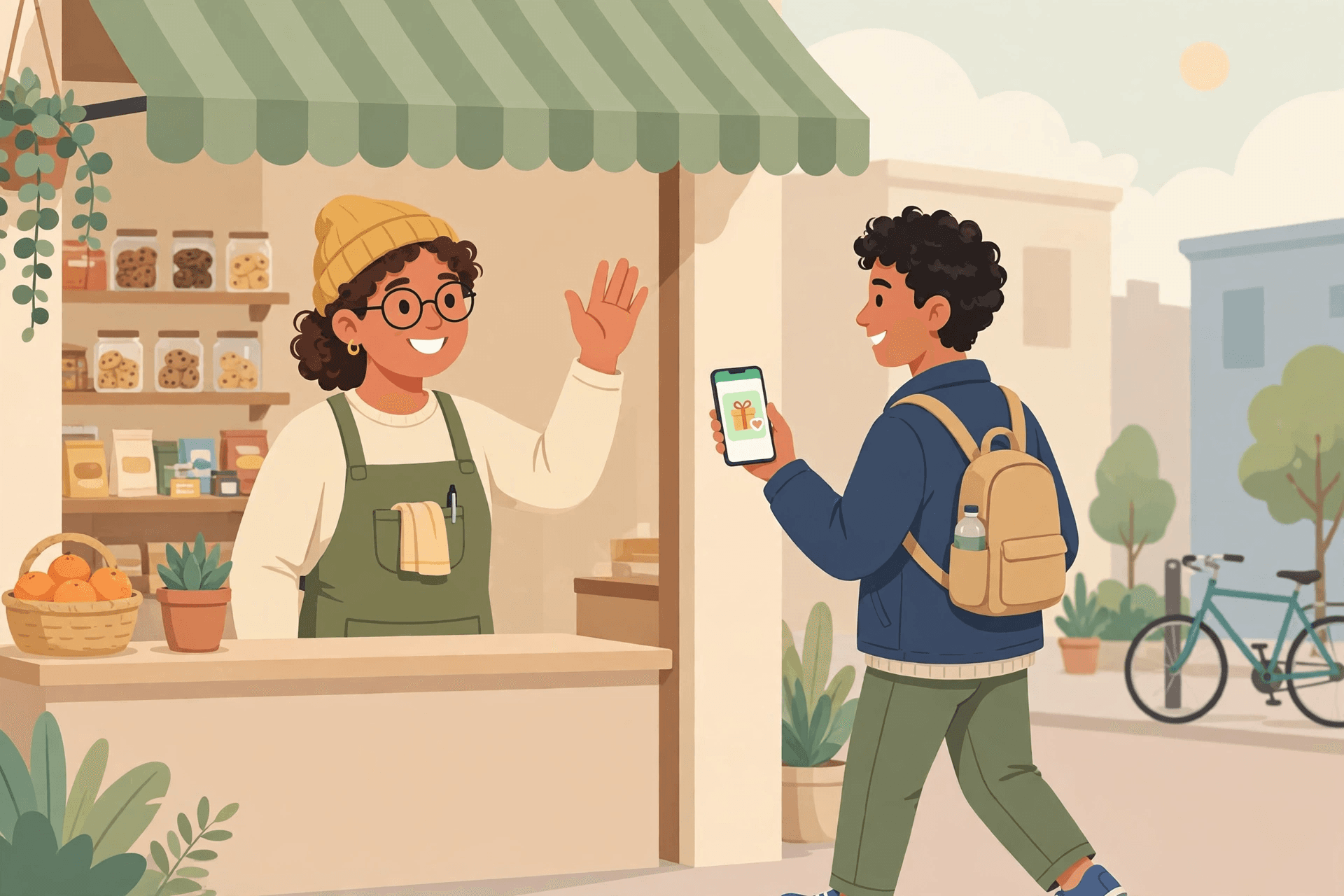
WhatsApp win-back campaigns are how a business talks to customers who drifted away: the regular who stopped ordering, the client who never rebooked, the subscriber whose last purchase was months ago. The goal is not to shout louder — it is to give one good reason to come back, to exactly the people who already know you. Done with permission and restraint, a win-back is the cheapest sale you will make. Done to a cold list, it is spam with your business name on it.
First, define lapsed — and check opt-in
A win-back list is not your whole customer file. It is customers who bought or booked before, whose usual cycle has passed — a salon client overdue by a month, a store customer silent for two buying cycles — and who opted in to receive messages from you. Opt-in is not optional decoration here: re-engaging someone outside an active conversation requires an approved template message and their prior consent. If you cannot show the opt-in, do not send. To be plain about the tooling: Neksio is not a bulk or broadcast tool, so win-back here means individual, opted-in conversations answered by your agent — not a blast to a list.
The three-message arc
A win-back that works has three beats, and no more. First, the reminder: reference what they actually bought or used — 'your last facial was in spring' beats 'we miss you' because it proves you remember them, not just their number. Second, the reason: one genuine incentive or piece of news — a returning-customer offer, a new service they asked about, a slot that opened. Third, the easy exit: a reply that stops everything, honoured immediately. One message with all three beats can be enough; three messages spaced over a couple of weeks is the outer limit.
- Reminder: name what they bought or booked — specific beats generic every time.
- Reason: one real incentive or update, not a pile of offers.
- Exit: a simple opt-out reply, honoured on the spot, no questions asked.
What to offer — and what not to
The offer should match why they left, as far as you can tell. A price-sensitive customer responds to a returning-customer discount; a busy customer responds to priority booking or a shorter appointment; a disappointed customer responds to an apology and a human conversation, not a voucher. What never works is pretending the gap did not happen, or stacking urgency on top of guilt — 'last chance, we noticed you left' reads as surveillance, not care. If you do not know why they left, ask: a one-question reply ('was it price, timing, or something else?') often tells you more than the campaign earns.
Illustrative example: a neighbourhood gym messages members who have not visited in two months: a reminder of their usual class, a free guest pass for a friend, and a one-word opt-out. A third of replies are bookings; a handful are opt-outs, honoured at once; nobody complains. The campaign's real win is the second list — the people who said why they left, which fixed the timetable.
When to stop, and what to learn
Stop on any reply, any booking, any opt-out — and stop the whole effort for anyone who stays silent after the arc ends. Silence after a fair, personal attempt is an answer: leave them alone, and let them return on their own terms. Then read the replies as research. If half your lapsed customers mention price, your win-back problem is a pricing problem. If they mention a bad experience, it is a service problem. A win-back campaign that only measures replies is half a campaign; the other half is what the replies teach you. The rules behind the templates and windows are covered in
the broadcast rules guide and the follow-up sequences guide.
100 AI replies a month on WhatsApp, no credit card. The agent remembers every customer's history, so a win-back starts personal, not generic. Plans on the pricing page.
Frequently asked questions
- What is a WhatsApp win-back campaign?
- A short, personal effort to re-engage customers who bought or booked before but have gone quiet — a reminder of what they used, one real reason to return, and an easy opt-out. It targets known, opted-in customers, never a cold list.
- Can I send win-back messages to old customers without opt-in?
- No. Re-engaging someone outside an active conversation requires an approved template message and their prior opt-in. If you cannot show the opt-in, do not send — it risks your number's quality rating.
- How many win-back messages should I send?
- One message can be enough; three spaced over a couple of weeks is the outer limit. Stop on any reply, booking, or opt-out — and stop entirely for anyone who stays silent after the arc ends.
- What offer works best for winning customers back?
- The one that matches why they left: a returning-customer discount for price-sensitive customers, priority booking for busy ones, and an apology plus a human conversation for disappointed ones. If you do not know why they left, ask.
- Is a win-back campaign bulk messaging?
- Not when done right. A win-back is a set of individual, opted-in conversations with people who already know you — not a blast to a list. Neksio is not a bulk or broadcast tool; its agent handles conversations one customer at a time.